

 EN
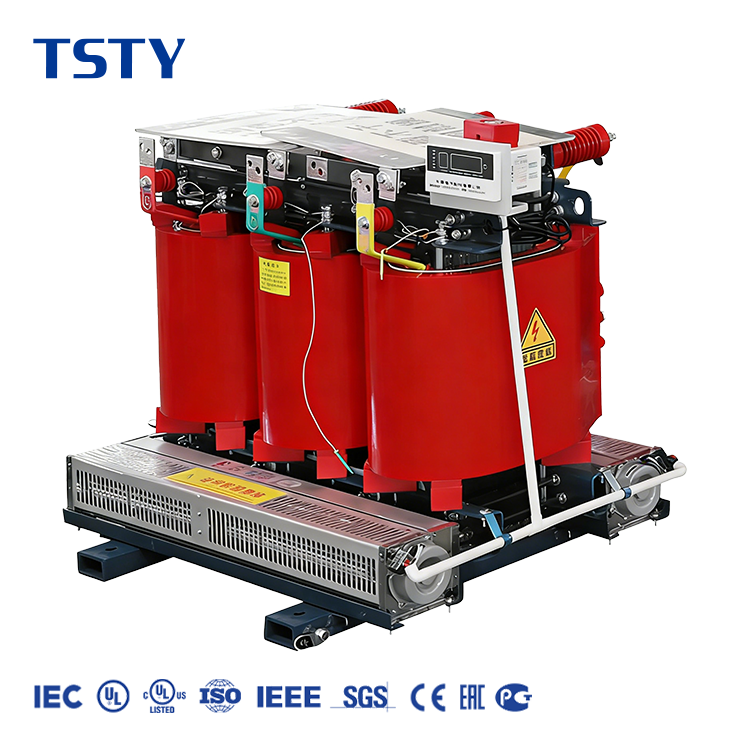
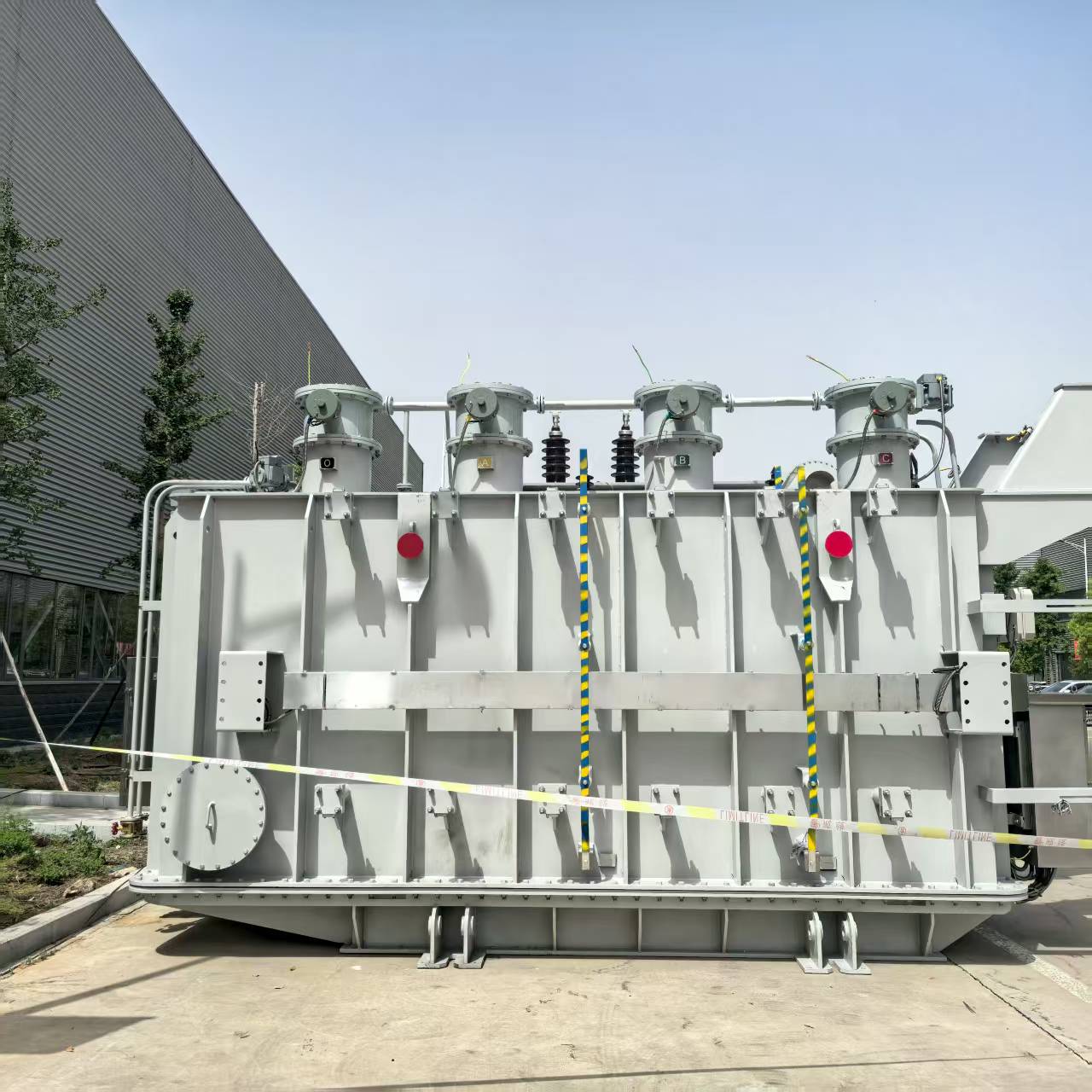
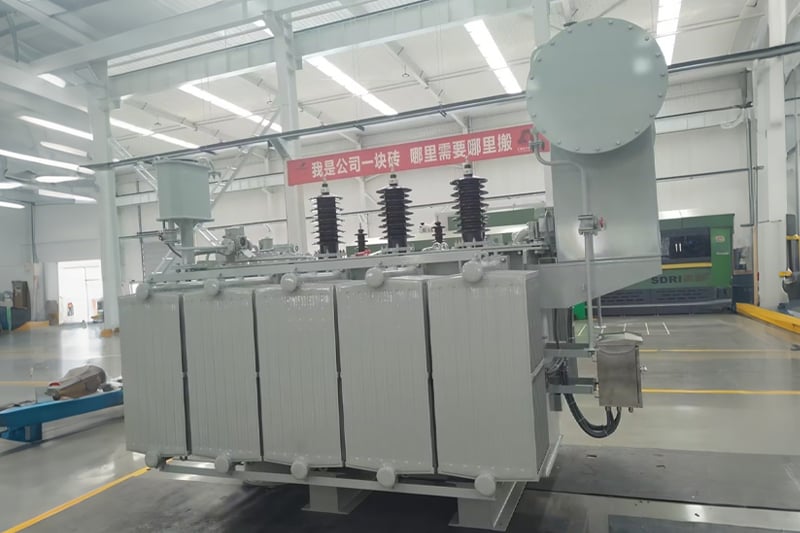
In the architecture of a utility-scale power plant, whether it is a combined-cycle gas facility or a massive hydroelectric dam, generating electricity is only half the battle. That raw, low-voltage power must be amplified and exported to the national transmission grid. The assets singularly responsible for this critical handover are generator transformers.
Without robust generator transformers, a multi-billion-dollar power generation facility is effectively paralyzed. For EPC (Engineering, Procurement, and Construction) contractors and grid operators, procuring generator transformers requires a deep understanding of thermodynamics, metallurgy, and high-voltage electromagnetics. Treating these highly specialized assets like standard distribution equipment will inevitably lead to catastrophic bottlenecks and stranded power.
As a premium power transformer manufacturer with decades of experience engineering grid-critical infrastructure, we have developed this comprehensive buying guide. Here is how B2B procurement teams must evaluate voltage ratios, cooling systems, protective architectures, and factory testing when sourcing generator transformers for modern power plants.
The primary function of a power plant transformer is to take the output voltage of the generator—typically ranging from 11kV to 25kV—and step it up to massive transmission levels such as 132kV, 220kV, or 400kV.
When sizing generator transformers, engineers must account for the highly dynamic nature of a spinning generator turbine. The most critical event to prepare for is "load rejection." If the power plant is suddenly disconnected from the grid, the generator will experience an immediate voltage spike before the automated control systems can throttle down the turbine.
Because they are directly connected to the generator terminals, generator transformers must absorb this voltage spike. If the magnetic core is built to standard specifications, this sudden surge will cause severe over-excitation (over-fluxing), rapidly overheating the core steel and melting the adjacent insulation. Specifically, generator transformers must be engineered with a slightly oversized, premium Cold-Rolled Grain-Oriented (CRGO) silicon steel core. This design lowers the normal operating flux density, providing the "magnetic headroom" necessary to survive generator load rejection without sustaining thermal damage.
Unlike standard electric grid transformers that experience daily peaks and troughs as municipal demand fluctuates, heavy-duty generator transformers operate at 100% of their maximum nameplate capacity for months on end. This continuous base-load operation generates immense, unrelenting internal heat.
To prevent premature aging of the cellulose insulation, EPCs must carefully specify cooling architectures for generator transformers. Passive cooling is never sufficient.
According to global failure rate statistics, inadequate cooling and subsequent insulation degradation account for nearly 40% of large power transformers failures. Investing in advanced, redundant cooling systems guarantees that your equipment will achieve its 40-year design lifespan.
If a fault occurs out on the high-voltage transmission lines, a violent electro-dynamic shockwave travels backward through the network. These faults demand that generator transformers possess absolute mechanical rigidity. If the internal copper coils warp or buckle under this electromagnetic stress, the unit will short-circuit and explode.
To combat these crushing forces, premium generator transformers utilize Continuously Transposed Conductors (CTC). CTC cables consist of multiple enameled rectangular copper strands transposed to reduce eddy current losses and maximize physical strength. Furthermore, the active part of the transformer is bonded with specialized epoxy resins and clamped under extreme hydraulic pressure. Once cured in the factory, the active part of these generator transformers becomes an immovable, rigid block capable of shrugging off the most violent grid faults.
You cannot visually inspect the internal dielectric integrity of generator transformers. The only guarantee of their reliability is the stringency of the Factory Acceptance Testing (FAT) executed by the supplier. A credible power transformer manufacturer must possess an in-house, high-voltage laboratory capable of executing the following critical tests:
Testing of generator transformers must never be compromised or outsourced. Always demand comprehensive, in-house FAT reports.
|
Engineering Requirement |
Standard Distribution Transformer |
Heavy-Duty Generator Transformers |
|
Operating Duty Cycle |
Variable, cyclical loading |
100% Continuous Base-Load Operation |
|
Core Flux Density |
Optimized for standard losses |
Lowered to accommodate load rejection |
|
Cooling Architecture |
ONAN / ONAF |
ODAF / OFAF strongly required |
|
Winding Mechanics |
Standard copper/aluminum |
Epoxy-bonded Continuously Transposed Conductors (CTC) |
|
FAT Testing |
Basic routine testing |
Extended Heat Run and Lightning Impulse required |
The financial viability of a power generation facility is entirely dependent on its ability to push electricity onto the grid. Investing in high-quality generator transformers is not an area for budget cuts; it is the ultimate insurance policy for your infrastructure's profitability.
By demanding advanced core metallurgy for load rejection, aggressive ODAF cooling, and bulletproof short-circuit rigidity, EPCs and facility owners can deploy equipment that refuses to fail.
Are you specifying equipment for a new thermal, hydro, or utility-scale project? Partner with a manufacturer that understands the extreme physics of large power transformers. Contact our elite engineering team today to review your single-line diagrams, and let us build the custom-engineered generator transformers that will secure your grid connection for decades to come.