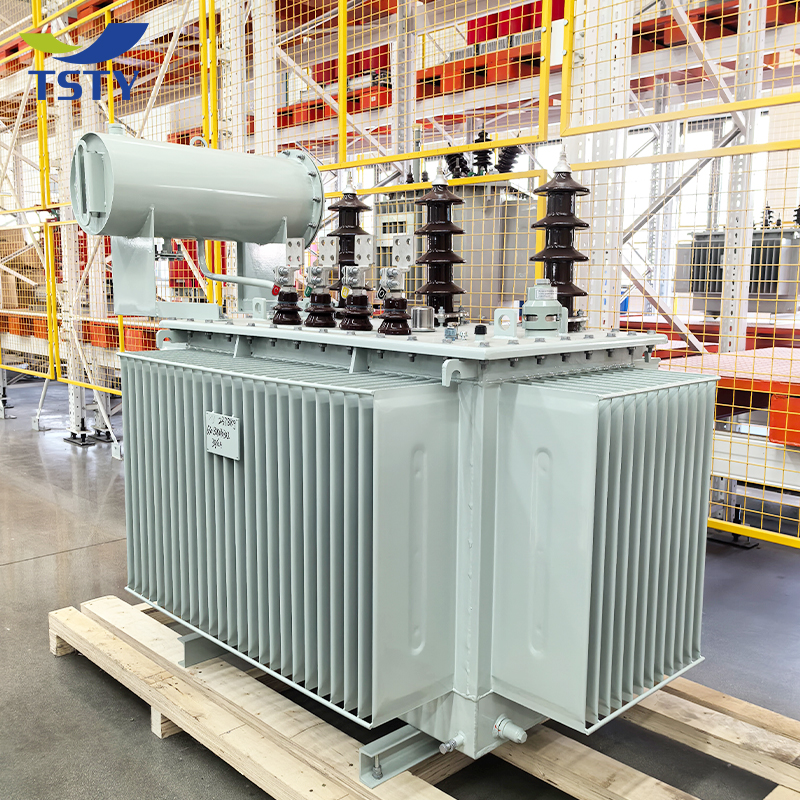
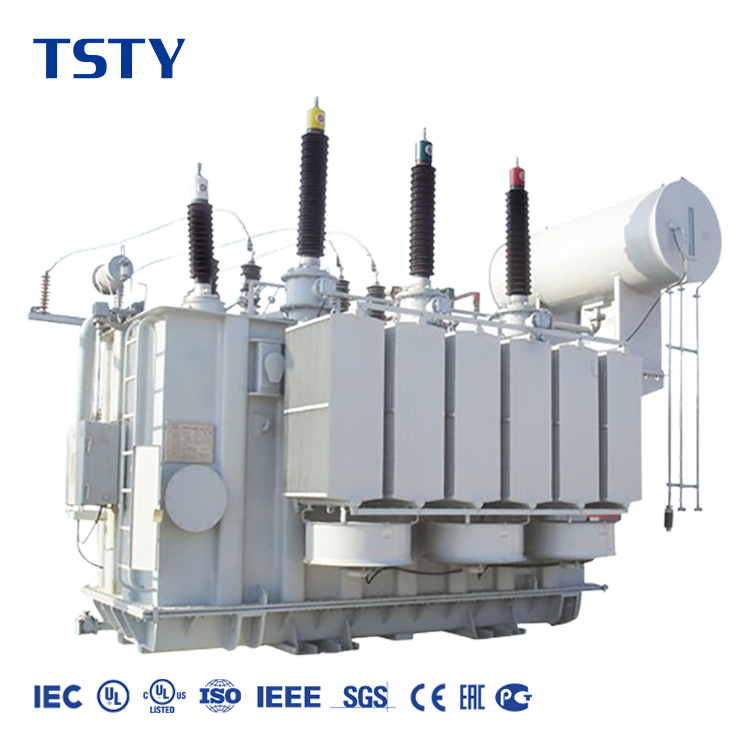
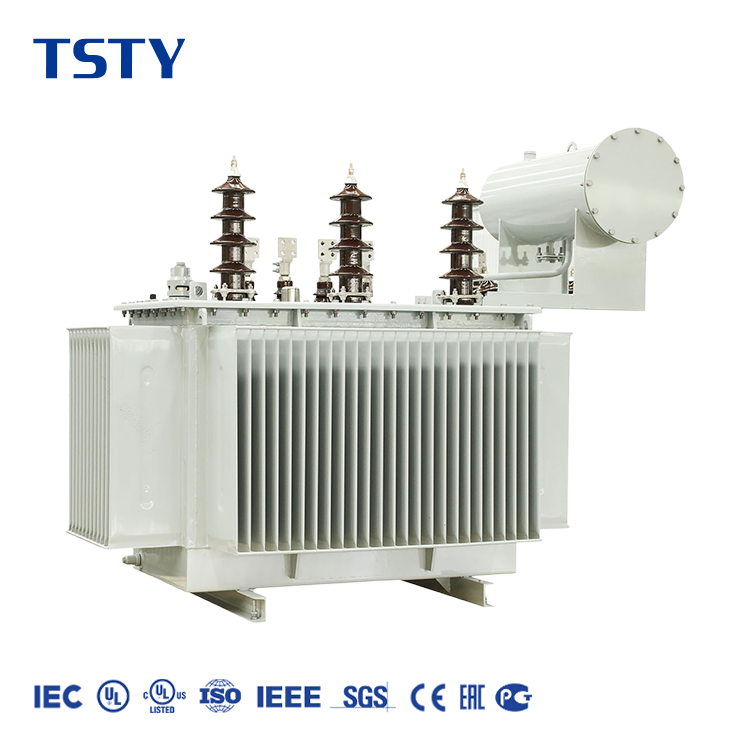
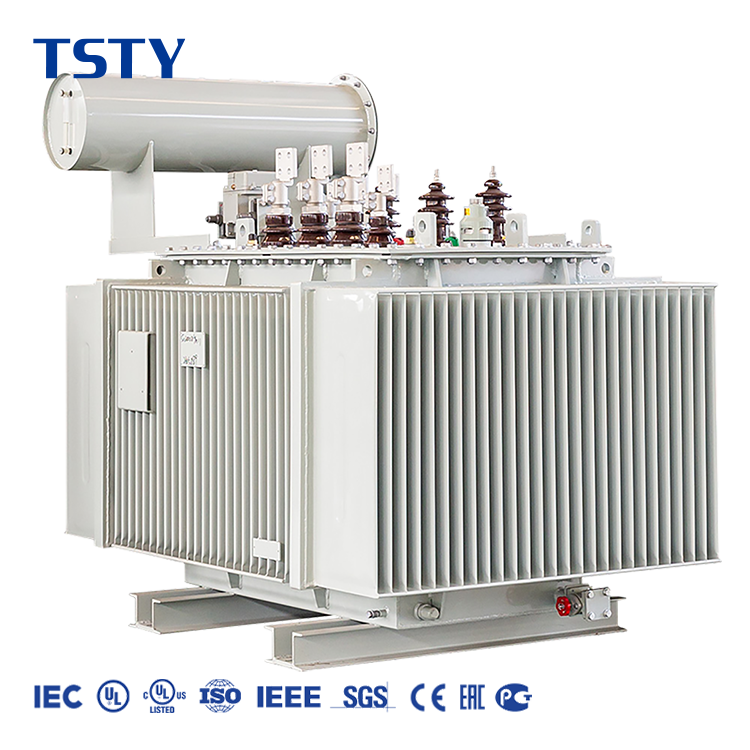
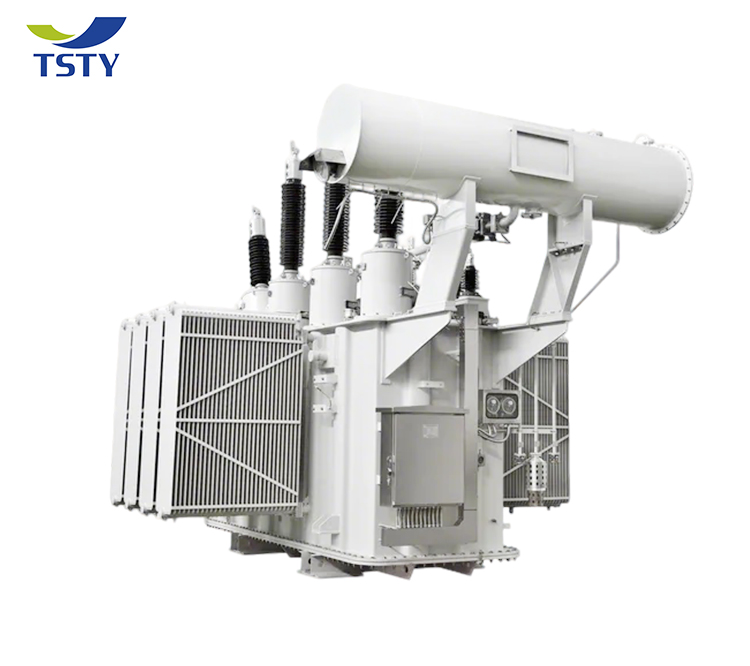
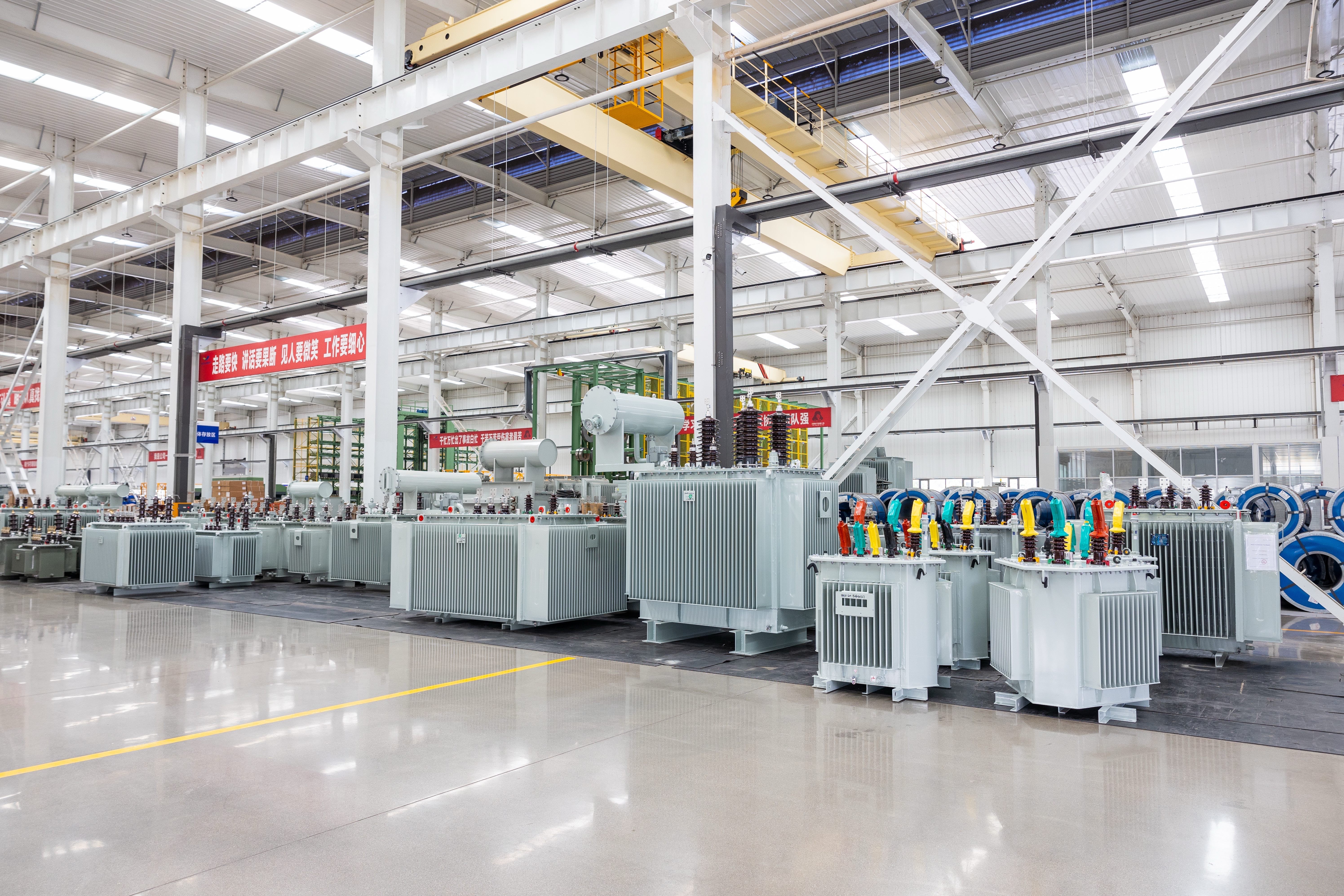
Generator transformers, also widely recognized as Generator Step-Up (GSU) transformers, are the primary power export vehicles in any electricity generating station. Their sole function is to take the high-current, medium-voltage output produced by the turbine generator and step it up to the high-voltage levels required for long-distance transmission. Without reliable generator transformers, sending bulk electricity from a power plant to regional distribution hubs would be impossible due to severe line losses.
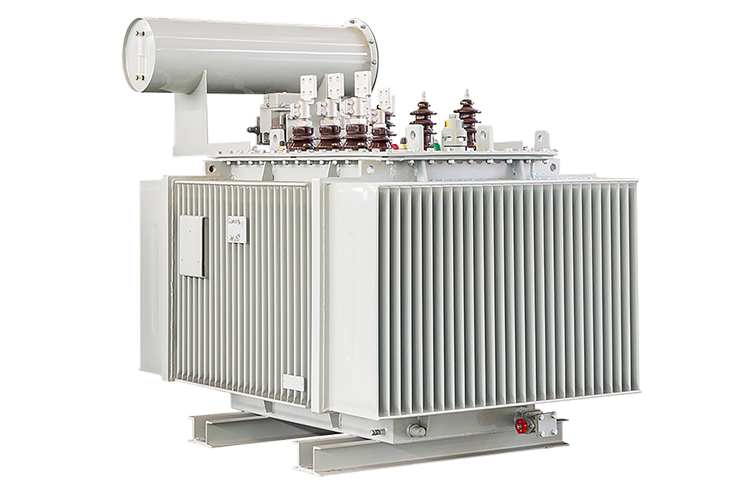
Unlike standard distribution units that experience fluctuating daily load curves, generator transformers operate near or at their full rated capacity continuously. This base-load operation generates a constant and massive amount of internal heat. Therefore, the thermal design is a critical engineering focus. Engineers must calculate precise temperature rise limits for both the oil and the internal windings. To dissipate this heat, generator transformers are usually equipped with forced cooling systems, using high-capacity external fans and directed oil pumps to ensure the insulation system does not degrade prematurely.

The physical connection points on generator transformers require specialized mechanical coordination. The low-voltage side must handle extreme continuous currents. Standard cable connections are inadequate, so power plants use an Isolated Phase Busduct (IPB) to link the generator directly to the transformer. The physical layout, phase spacing, and flange dimensions on the transformer's low-voltage bushings must be designed to match the IPB structure perfectly.
Safety and condition monitoring are deeply integrated into the design of generator transformers. Because a failure in a GSU transformer results in a total halt of power export for the entire plant, these units are equipped with multiple layers of protection. Standard setups include sudden pressure relays, advanced Buchholz relays, and online dissolved gas analysis (DGA) monitors that alert the central control room at the earliest sign of internal thermal or electrical faults.
Procuring generator transformers involves careful logistical planning. Due to their massive MVA ratings, these units are exceptionally heavy. The core and coil assembly alone can weigh hundreds of tons. To facilitate safe transport from the factory to the power plant site, the main tank is shipped devoid of oil and filled with a dry gas. By providing accurate dimension drawings, shipping weights, and center of gravity models early in the project timeline, manufacturers help EPC teams secure the necessary heavy-lift cranes and specialized multi-axle trailers.